Little Venice gardeners for canal side gardens Paddington
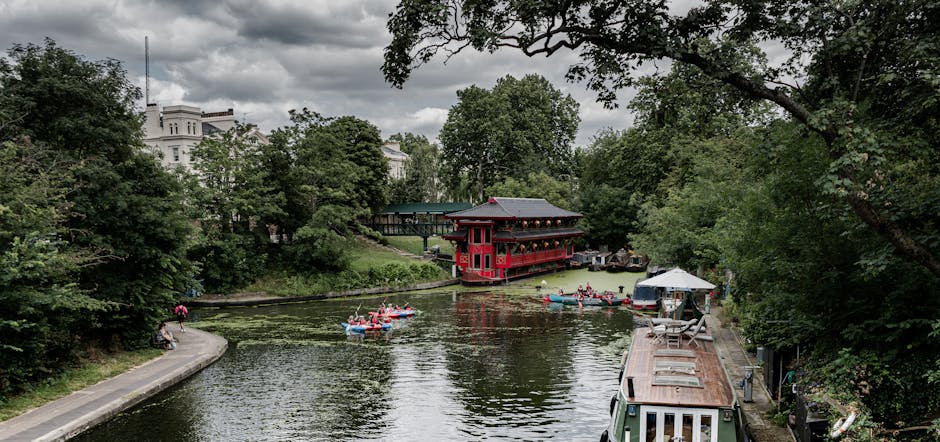
If you are looking for Little Venice gardeners for canal side gardens Paddington, you are probably after more than a standard mow-and-go service. Canal-side gardens in this part of West London can be lovely, but they can also be awkward: narrow access, shade from mature trees and buildings, wind off the water, damp pockets, and planting that has to look good from multiple angles. In other words, these gardens need a bit of thought. Not a fuss, just the right kind of care.
This guide explains what canal-side garden work in Little Venice and Paddington actually involves, how it is usually managed, what to ask for, and how to avoid the common mistakes that make waterside spaces look tired faster than they should. You will also find practical tips, a simple checklist, and a comparison of maintenance approaches so you can make a sensible choice without overcomplicating things.
- Why this kind of garden care matters
- How canal-side gardening usually works
- Key benefits and practical advantages
- Who needs this service and when it makes sense
- Step-by-step guidance
- Expert tips for better results
- Common mistakes to avoid
- Tools, resources and recommendations
- Law, compliance, standards and best practice
- Options, methods and comparison
- Case study or real-world example
- Practical checklist
- Conclusion
- Frequently asked questions
Why Little Venice gardeners for canal side gardens Paddington Matters
Canal-side gardens have a character all their own. They sit in a setting that is calmer than the high street but less forgiving than a typical rear garden. Light conditions change through the day, moisture levels can be uneven, and plant choice matters more than many people expect. A herbaceous border that would thrive in open sun may sulk beside a shaded towpath wall. A lawn that looks fine in spring can turn patchy if drainage is poor. Simple enough in theory, but in practice it takes a careful hand.
That is why local knowledge matters. Little Venice gardeners who understand canal-side conditions tend to look at the whole picture: access, aspect, wind exposure, privacy, drainage, plant resilience, and how the garden is viewed from the home. You are not just maintaining plants. You are maintaining a small outdoor room that has to work in a fairly busy urban setting.
There is also a visual reason this matters. Canal-side gardens are often seen from passers-by, neighbours, balconies, and kitchen windows. That means edges, lines, and seasonal structure are more noticeable. A hedge that goes shaggy for a couple of weeks, or a planter overflowing with tired annuals, can make the whole space feel neglected. On the other hand, a well-kept space can feel unexpectedly luxurious. A little green pocket beside the water. Very London, really.
For many property owners in Paddington and Little Venice, the garden is not large, but it still carries a lot of weight. It affects curb appeal, day-to-day enjoyment, and sometimes even the sense of privacy in a busy neighbourhood. So yes, it matters. Probably more than people think at first glance.
How Little Venice gardeners for canal side gardens Paddington Works
Most canal-side garden maintenance starts with an assessment rather than a fixed routine. A good gardener will usually look at what is growing well, what is struggling, and what needs to happen across the season. The point is not just to cut things back. It is to keep the garden healthy and tidy while respecting the space you actually have.
In practical terms, the work often includes some mix of pruning, edging, lawn care, weed control, deadheading, seasonal planting, hedge trimming, soil conditioning, and light clearance. If the garden has awkward access or shared boundaries, the job may also involve working around tight paths, steps, or water-adjacent edges where safety and care matter a great deal. Let's face it, nobody wants a wheelbarrow doing a dramatic wobble beside the canal.
The best approach usually depends on the condition of the space:
- Regular maintenance suits gardens that are already established and just need consistent upkeep.
- Seasonal refreshes work well where planting changes with the year and attention is needed at key points.
- One-off tidy-ups are useful after a period of neglect, before a property sale, or ahead of an event.
- Design-led improvements help if the garden is functional but lacks structure, privacy, or visual balance.
In many cases, the first visit is the most revealing. You can see which plants have become overcrowded, where water tends to sit after rain, and whether the soil is compacted by foot traffic or construction work nearby. This is where a local gardening team can add value: not by doing something flashy, but by noticing the small things that shape long-term results.
That is the quiet difference between a garden that merely gets tidied and one that genuinely improves over time.
Key Benefits and Practical Advantages
There are several reasons people invest in canal-side garden care in Little Venice and Paddington. Some are obvious; others only become clear after a few seasons of trying to manage it yourself.
- Better first impressions: Neat edges, healthy planting, and tidy hard surfaces make a strong visual difference right away.
- Healthier plants: Regular pruning, feeding, and monitoring help plants recover from stress and grow more evenly.
- Improved privacy: Strategic trimming and planting can soften sightlines without making the space feel boxed in.
- Safer access: Clear paths, stable surfaces, and sensible pruning reduce the chance of trips and awkward movement in tight spaces.
- Less stress for you: Gardening is lovely in theory, but not everyone wants to spend weekends wrestling with weeds and a blunt pair of shears.
- Seasonal consistency: A managed garden looks intentional across the year, not just for a few weeks in spring.
There is also a practical business angle for landlords, managing agents, and homeowners preparing a property for market. A cared-for outdoor space can make the whole home feel more complete. Not in a showy way. Just in the way buyers and guests quietly notice.
For canal-side plots specifically, consistency matters more than dramatic redesigns. Wind exposure can leave some plants looking ragged after a stormy week. Shade can slow recovery. Moisture can encourage moss or mildew on paths. Small issues become visible quickly. Good maintenance keeps those little frustrations from piling up.
Expert summary: On canal-side gardens, the best results usually come from steady, seasonal care rather than sporadic heavy work. The aim is balance: neatness, resilience, and planting that suits the setting rather than fighting it.
Who This Is For and When It Makes Sense
This kind of service is a good fit for a fairly wide group of people, but the reasons differ. If you recognise your situation in any of the examples below, you are probably in the right place.
Homeowners who want a presentable outdoor space
If you own a flat, townhouse, or maisonette near the canals, you may want the garden to look polished without spending every spare hour on it. A lot of people simply want a calm, attractive space they can enjoy after work. Fair enough.
Landlords and letting agents
Tenanted properties benefit from garden maintenance because outdoor areas can deteriorate fast between visits. A tidy, low-maintenance layout also helps reduce avoidable disputes about upkeep and condition.
Busy professionals
Some gardens only need modest care, but the timing matters. If your week is already packed, it is easy to miss the small jobs that keep a garden under control. A regular gardener fills that gap before it turns into a bigger weekend project.
People with mature or established planting
Older gardens often have structure worth preserving. That might mean roses, climbers, clipped hedging, or shrubs that need the right pruning windows. These gardens tend to look their best when someone knows what not to cut.
Anyone dealing with a neglected space
If the garden has become overgrown, uneven, or awkward to manage, professional help can reset it without stripping out all the character. Truth be told, a first clearance can feel like a small miracle when done properly.
It also makes sense to seek help before a specific event: a spring refresh, a summer gathering, an end-of-tenancy inspection, or a property listing. Timing can make the difference between a quick tidy and a much bigger job.
Step-by-Step Guidance
If you are planning to work with a gardener for a canal-side garden in Paddington, a simple process usually works best. No need to overcomplicate it. Start with the basics and build from there.
- Assess the space honestly. Note sunlight, shade, access, drainage, and any plants you want to keep.
- Decide your priorities. Do you want tidiness, better planting, more privacy, less maintenance, or all four?
- Identify problem areas. These might include overgrown hedges, patchy grass, slippery paths, or containers that dry out too quickly.
- Choose the right service level. One-off clearance, monthly upkeep, or a full seasonal plan will each suit different needs.
- Ask about plant knowledge. Canal-side gardens often need more than general tidying; pruning and planting choices should suit the site.
- Check access and logistics. Narrow paths, locked gates, shared entrances, and waste removal can all affect the work.
- Set expectations clearly. Agree what will be done, what will be left, and how often visits should happen.
- Review after the first visit. A good gardener should leave the space cleaner, sharper, and easier to maintain next time.
A useful tip: take a few photos before the first visit. Not because anyone loves paperwork, but because it helps you and the gardener see progress clearly. And yes, the before-and-after difference is often more dramatic than you remember.
If the garden is particularly compact, ask how the work will be staged. In smaller spaces, sequencing matters. Pruning before clearing, clearing before feeding, and feeding before planting is often the sensible order. It saves time and prevents that "we've done too much too soon" feeling that can happen in a rushed job.
Expert Tips for Better Results
Canal-side gardens usually reward restraint and consistency. You do not need to do everything at once. In fact, that can make things worse. Here are some practical habits that tend to produce better results.
Choose plants that can handle the site
Partial shade, reflected light, wind tunnels, and fluctuating moisture can rule out some fussy favourites. Hardy shrubs, adaptable perennials, and well-chosen climbers often perform better than delicate plants that need constant babysitting.
Keep structure visible
In smaller gardens, structure does a lot of the heavy lifting. Evergreen shrubs, clipped forms, trellis, and clean edging help the garden look intentional even when flowers are between flushes. That is especially useful in winter, when many gardens can look a bit bare and sorry for themselves.
Use containers wisely
Planters are brilliant for canal-side spaces because they add height and flexibility. Just be aware that they dry out faster in summer and may need regular watering. Heavy pots also need careful placement, especially on raised terraces or decking.
Prune for shape, not just size
It is tempting to chop everything back to make space, but that can leave shrubs looking blunt and unbalanced. Shaping often gives a much better result than hard reduction. A gardener with decent experience will know the difference.
Think about sightlines
If the garden is visible from windows or the towpath, consider where the eye lands first. A neat focal point, a well-kept hedge, or even a simple run of planters can improve the whole feel of the space.
One more thing: if a border keeps failing in the same spot, do not blame the plants too quickly. It may be soil structure, drainage, or too much competition from nearby roots. The obvious answer is not always the right one. A bit annoying, but true.
Common Mistakes to Avoid
Most garden problems are not dramatic. They are just small mistakes repeated over time. The good news is that nearly all of them can be avoided.
- Overpruning: Cutting too hard can leave shrubs stressed and exposed, especially in windier locations.
- Ignoring drainage: Waterlogged patches, moss, and weak roots often point to deeper issues than surface mess.
- Choosing thirsty plants for exposed spots: A pretty plant is not always a practical one.
- Letting hedges overgrow between visits: Once hedges lose shape, they are harder to bring back neatly.
- Using the same care routine all year: Seasonal change matters. Spring, summer, autumn, and winter each ask for something different.
- Forgetting waste removal: Cuttings and debris build up quickly in a compact garden and can make the space feel smaller.
- Assuming all gardeners work the same way: Some focus on maintenance, others on landscaping, and others on clearance or planting. It helps to be clear.
The biggest mistake, in our experience, is expecting a one-time tidy to fix a garden that actually needs an ongoing plan. A single visit can reset the space, yes. But if the setting is tricky, maintenance is what keeps it from sliding back. Simple as that.
Tools, Resources and Recommendations
You do not need a shed full of equipment to keep a canal-side garden in good shape, but the right tools make a noticeable difference. Whether you are handling light upkeep yourself or briefing a gardener, these are the kinds of tools and resources that tend to matter.
| Need | Useful tools or resources | Why it helps |
|---|---|---|
| General upkeep | Secateurs, hand fork, rake, trimmer | Good for regular tidying, edging, and small pruning jobs |
| Hedge and shrub care | Hedge trimmer, pruning saw, secateurs | Keeps shape neat without overcutting |
| Lawn care | Mower, edging tool, aerator | Helps keep small lawns tidy and healthier through the season |
| Planting | Compost, mulch, quality pots, support ties | Improves soil health and reduces stress on plants |
| Clearance | Heavy-duty bags, wheelbarrow, gloves | Makes larger tidy-ups faster and safer |
For planning and budgeting, it can also help to look at a wider service overview and pricing information before you book. If you are comparing options, the pages on garden services and pricing and quotes can give you a clearer picture of what is typically included. If the job involves heavier work, garden clearance and routine garden maintenance are the most relevant starting points.
If you are dealing with planting that needs more structure, it may also be worth looking at landscape gardening or landscaping. For practical plant control and boundary work, hedge trimming, lawn mowing, and tree lopping and removal may also be relevant, depending on the condition of the space.
Law, Compliance, Standards and Best Practice
Garden work in a residential area is usually straightforward, but there are still sensible standards to follow. This is especially true near canals, shared access routes, and neighbouring properties. You do not need to turn it into a legal project, but you do want the work done safely and respectfully.
Good practice usually includes:
- protecting paths and access routes so they are not left slippery or obstructed;
- handling cuttings and waste responsibly;
- being considerate about noise and timing, especially in closely built neighbourhoods;
- checking whether shared areas or adjacent boundaries need coordination;
- using suitable equipment and sensible protective measures when working near water, steps, or uneven ground.
It is also sensible to use a team that treats health and safety seriously. If you want to understand that side of the service more fully, a clear overview of health and safety policy and insurance and safety can be helpful. For sustainability questions, especially if you care about green waste and material reuse, recycling and sustainability is worth a look too.
One practical note: if there are mature trees, shared hedges, or boundary plants, pruning should be approached carefully. In urban gardens, roots and canopies often extend further than people expect. Better to check than guess. That small pause can save a lot of trouble later.
Options, Methods, or Comparison Table
Not every canal-side garden needs the same kind of help. Some spaces only need light maintenance. Others need structural improvements or a full reset. Here is a simple comparison to make the choice easier.
| Approach | Best for | Typical strengths | Possible downside |
|---|---|---|---|
| Light maintenance | Established gardens that are already in good order | Affordable, quick, keeps things tidy | Won't solve deeper planting or layout issues |
| Seasonal garden care | Gardens that need attention at key times of year | Good balance of cost and results | Still relies on regular scheduling |
| One-off clearance | Overgrown or neglected spaces | Immediate visual improvement | Needs follow-up to prevent regrowth |
| Design-led landscaping | Spaces needing better structure, privacy, or usability | Transforms how the garden works | More planning and usually more investment |
If you are not sure which route fits, start with the question: what is currently causing the most frustration? If it is weeds and untidy borders, maintenance may be enough. If it is poor layout and awkward planting, you may need landscaping help. If the place is simply overgrown, begin with clearance and then move into a regular schedule. Nothing glamorous. Just sensible sequencing.
Case Study or Real-World Example
A typical Little Venice scenario goes like this. A small canal-side garden has been left alone for a few months over winter. The border is crowded, the lawn is patchy, and a climber has wandered far beyond its support. The homeowner wants the space ready for spring but does not want it stripped bare. They also want a bit more privacy from neighbouring windows.
The first step is a tidy assessment rather than a full overhaul. Dead material is removed, the hedge is shaped back into line, and the borders are thinned rather than hacked down. The lawn is mown once conditions are suitable, edges are defined, and a few stronger plants are kept as the backbone of the border. A couple of taller planters are added near the seating area to soften the view and create a better sense of enclosure.
What changed? Not everything. And that is the point. The garden kept its character, but it became easier to read and easier to enjoy. By the next visit, the space had structure again. It looked looked after. There is a difference, and you can feel it as soon as you step outside.
That kind of result is common when the work is paced properly. Not rushed. Not overdone. Just well judged.
Practical Checklist
Use this checklist before booking or starting work on a canal-side garden in Paddington or Little Venice:
- Identify whether the garden needs maintenance, clearance, landscaping, or a mix of all three.
- Check access points, gates, and any awkward routes for tools or waste removal.
- Note where the garden gets sun, shade, wind, and standing water after rain.
- List any plants, shrubs, or trees you want preserved.
- Decide whether privacy, tidiness, planting, or usability is the main priority.
- Ask how waste, clippings, and debris will be handled.
- Confirm whether the plan includes edging, pruning, weeding, and lawn work.
- Consider whether seasonal planting or container updates would improve the space.
- Make sure safety considerations are clear if the garden sits near water or uneven ground.
- Schedule follow-up visits if the space has been neglected or changes quickly through the season.
One small note: if you are torn between two approaches, choose the one that keeps the garden easier to manage next month, not just prettier today. That usually proves to be the smarter move.
Conclusion
Little Venice gardeners for canal side gardens Paddington are most valuable when they bring calm, practical judgement to a space that needs more than cosmetic attention. Canal-side gardens are charming, but they are also particular. They need the right planting, the right timing, and a steady hand that understands how urban waterside conditions behave through the year.
If you are weighing up your options, think in terms of outcomes rather than job titles. Do you want a tidy, low-maintenance garden? Better privacy? A healthier planting scheme? A complete reset? Once you answer that, the right approach becomes much clearer. And usually less stressful. Which is nice, frankly.
With the right care, even a small outdoor space beside the canal can feel restful, polished, and genuinely inviting. Not showy. Just good. The sort of garden you quietly enjoy every day.
Get a free quote today and see how much you can save.
Frequently Asked Questions
What do Little Venice gardeners for canal side gardens Paddington usually include?
They often include pruning, edging, weeding, lawn care, hedge trimming, seasonal planting, and general tidy-up work. The exact mix depends on the garden's condition and what you want it to look like.
Are canal side gardens harder to maintain than ordinary gardens?
Usually, yes. They can be more exposed, more shaded, or more moisture-prone than a standard back garden. Access can also be tighter, which makes planning and waste removal a bit more involved.
How often should a canal-side garden be maintained?
That depends on the planting and how fast the space grows back, but many people benefit from regular visits rather than one-off tidy-ups. In fast-growing seasons, monthly or seasonal care can make a big difference.
What should I ask before booking a gardener?
Ask what is included, how waste is removed, whether they can handle pruning and planting, and whether they have experience with compact or waterside gardens. It also helps to ask how they approach access and safety.
Can a gardener improve privacy without making the garden feel boxed in?
Yes, absolutely. Good planting, carefully placed containers, and strategic hedge shaping can soften sightlines while keeping the space open and pleasant. It is a balance, but a doable one.
What is the difference between garden clearance and maintenance?
Garden clearance deals with overgrowth, debris, and a larger reset. Maintenance is the ongoing work that keeps the garden looking neat afterwards. In many cases, you need both in sequence.
Do I need landscaping or just simple maintenance?
If the garden already works but just needs tidying, maintenance may be enough. If the layout feels awkward, the planting is poorly structured, or you want a more usable space, landscaping may be the better option.
Are there special safety concerns near canal-side gardens?
Yes. Paths can be narrow, surfaces can become slippery, and working near water or steps needs care. A sensible gardener will plan access and movement carefully and keep the work area tidy.
Will regular garden care help with resale or rental appeal?
Usually, yes. A tidy, well-kept outdoor space tends to make a property feel more cared for and easier to picture living in. It is not a magic fix, but it does help.
What if my garden has a mix of sun and deep shade?
That is very common in London gardens near canals and tall buildings. The answer is usually to choose plants for the conditions you actually have, rather than forcing the same planting scheme everywhere.
Can I manage a canal-side garden myself?
Of course you can, especially if it is small and simple. But if access is awkward, the planting is mature, or the space has become overgrown, a professional visit can save a lot of trial and error.
How do I know if a gardener understands canal-side conditions?
They should talk about shade, wind, drainage, privacy, and access without you having to prompt them on every point. If they immediately understand the quirks of waterside gardens, that is usually a good sign.
If you are ready to turn a tricky outdoor space into something calmer and easier to enjoy, the next step is simply to ask for a proper assessment. A well-kept garden beside the canal can feel like a breath of fresh air on an ordinary weekday evening, and honestly, that is worth doing well.