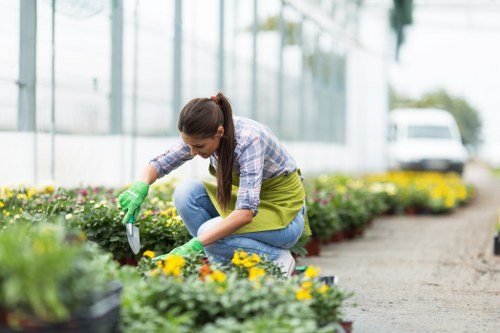
Gardening Paddington: Recycling and Sustainability in Our Rubbish Gardening Area
Gardening Paddington is committed to an eco-friendly waste disposal area and a sustainable rubbish gardening area that supports community green spaces. This page outlines our approach to reducing landfill, increasing recycling rates, and integrating low-carbon logistics into local garden waste collection. Our work with neighbours across Paddington and nearby boroughs focuses on practical steps that make sustainable gardening accessible to everyone.Our Recycling Percentage Target and What It Means
We have set an ambitious recycling percentage target of 65% for all garden-related waste streams by 2030. That target covers green waste, compostable food scraps from community plots, and dry recycling from gardening activities. By aiming for a high diversion rate we reduce methane from landfill and create nutrient-rich compost for soil health. Paddington gardening efforts feed back into the soil, closing the loop between collection and reuse.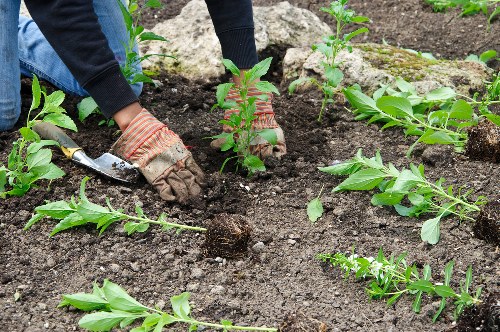
Practical Recycling Activities in the Area
The boroughs’ approach to waste separation makes a big difference: separate collections for food waste, garden waste, dry recycling, and residual refuse are common across Westminster and neighbouring boroughs. Our recycling and sustainability programme supports these systems by encouraging:- source separation of compostable trimmings and food scraps
- clean sorting of plastics, glass, paper and metals from gardening packaging
- recycling of old pots, trays and tools where possible
Local Transfer Stations and How We Use Them We regularly utilise nearby transfer stations and recycling centres to ensure garden refuse is processed correctly. Rather than sending mixed rubbish to landfill, material is taken to authorised local transfer stations run by borough waste services or contracted operators. These facilities accept segregated garden waste and forward it to composting or anaerobic digestion plants. Working closely with municipal transfer hubs reduces haulage distances and ensures higher recovery rates for Paddington garden collections.
Partnerships with charities and social enterprises are central to our approach. We collaborate with local organisations that repurpose surplus soil, reclaimed wood, and plantable containers. By diverting usable items to charities and community projects we extend the life of materials and support social value in the neighbourhood. Strong alliances with local food redistribution groups and community allotments also ensure edible waste is channelled to good use when possible.
 Zero-waste and resource recovery activities include seed sharing, tool libraries, and compost exchanges run with partner charities. We coordinate drop-off points for gently used pots and soil amendments so items are reused by community gardeners rather than discarded. Strong collaboration with volunteer groups enables regular bulky waste collections directed to refurbishment programs instead of landfill.
Low-Carbon Vans and Sustainable Collection Logistics
To cut transport emissions from garden waste collection, our fleet strategy prioritises low-carbon vans. We operate a mix of electric vans and plug-in hybrids for short urban routes and are rolling out fully electric vehicles for last-mile collection wherever charging infrastructure allows. This transition supports Paddington gardening efforts by reducing local pollution and improving air quality around community green spaces.Our logistics planning emphasises consolidation of trips, optimised routing, and use of local transfer stations to shorten haulage distances. By combining loads destined for the same processing facility we maximise efficiency and minimise the carbon footprint of collections. These practices are essential for a resilient, low-impact rubbish gardening area in central London neighbourhoods.
Community Actions, Targets and How You Can Get Involved
Gardening Paddington’s sustainability plan sets milestones: reach 50% diversion within three years, 65% by 2030, and ongoing improvement thereafter. We report progress through community briefings and coordinated borough metrics that reflect the wider municipal approach to waste separation. Local residents, community growers, and small commercial gardeners can help by separating compostable materials from plastics and contaminants, donating usable items to partner charities, and supporting low-carbon collection schemes. Together we can build a resilient, circular approach to garden waste that prioritises soil health, reduces emissions, and strengthens local green networks.Long-term Vision for Sustainable Gardening in Paddington Our long-term ambition is a fully circular model where garden trimmings and food scraps become high-quality compost for local parks and allotments, reusable planting materials are kept in circulation through charity partnerships, and transport emissions are minimised by electric collection fleets. By aligning with borough waste separation schemes and investing in transfer-station partnerships, Gardening Paddington aims to be a model for urban, sustainable green-space management.
We continue to expand partnerships with charities, community groups, and borough services to scale ambitious recycling targets. Collaborative events for compost exchanges and material re-use days help normalise circular practices in everyday Paddington gardening. These activities also create social value and help redistribute useful items where they’re most needed, while keeping the rubbish gardening area efficient and low-impact.
Final note: achieving our recycling percentage target depends on coordinated action across residents, charities, borough services and low-carbon logistics providers. Gardening Paddington remains committed to transparent progress, measurable outcomes, and practical solutions that keep our neighbourhood green and sustainable for generations to come.