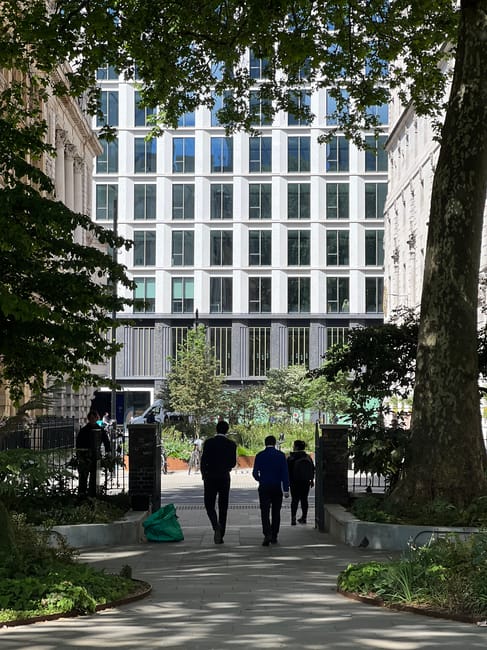
Norfolk Square garden maintenance experts in Paddington W2
If you live near Norfolk Square, you already know the charm of the area can be a double-edged sword. A tidy garden, courtyard, or shared outdoor space lifts the whole property; a neglected one gets messy fast. That is exactly where Norfolk Square garden maintenance experts in Paddington W2 make a real difference. They help keep planting healthy, paths clear, hedges neat, and outdoor areas presentable without turning garden care into yet another weekend job.
In a busy part of west London, maintenance is not just about making things look nice. It is about consistency, timing, safe working, and understanding how local spaces are actually used. This guide walks through what garden maintenance involves, why it matters, how it works in practice, and what to look for if you want reliable, long-term results.
Why Norfolk Square garden maintenance experts in Paddington W2 Matters
Gardens in and around Norfolk Square often face a mix of pressures that suburban gardens do not. Space can be tight, access can be awkward, and the planting may need more careful handling because one overlooked issue quickly affects the whole space. A small patch of moss on a path, a hedge that grows a little too hard, or a lawn that gets scalped during the wrong weather window can change the feel of the whole property.
That is why experienced garden maintenance matters. It is not only about cutting, trimming, and clearing. It is about reading the space properly. What gets sun in the morning? Where does water sit after rain? Which plants are stressed, and which ones are thriving a bit too enthusiastically? A good maintainer notices these things before they become problems. Truth be told, that is half the job.
For homeowners, managing agents, landlords, and residents' associations, reliable maintenance also protects presentation and value. A neat exterior gives visitors confidence before they even ring the bell. For shared gardens, it helps avoid that slightly awkward moment where everyone assumes someone else will deal with the leaves. We have all seen how that goes.
If you need a broader view of available work, the services overview is a sensible place to start. For ongoing upkeep, the dedicated garden maintenance service gives a clearer picture of routine care.
How Norfolk Square garden maintenance experts in Paddington W2 Works
Garden maintenance usually starts with a walk-through. A proper one, not a five-second glance. The aim is to understand the site, the plant stock, seasonal issues, access points, and any safety concerns. In a place like Norfolk Square, that might mean checking how to move tools through narrow access, where waste will be collected, and whether delicate borders need extra care.
From there, the work is typically planned around recurring tasks. These may include mowing, hedge trimming, pruning, leaf clearance, weed control, deadheading, sweeping paths, checking soil moisture, and tidying communal areas. Depending on the garden, there may also be deeper seasonal work such as cutting back perennials, refreshing mulch, or preparing beds for winter. It can be routine, but routine is what keeps things under control.
Good maintenance is usually scheduled rather than random. Weekly or fortnightly visits suit fast-growing lawns and shared spaces, while monthly visits may be enough for smaller or more decorative gardens. The right cadence depends on the plants, the pace of growth, and how polished the space needs to look. In other words: a front garden that greets guests every day needs more attention than a quiet back plot used once a month.
Where overgrowth, dumped waste, or a long-neglected space becomes the issue, maintenance may be paired with a one-off tidy-up. In that case, a garden clearance service can reset the area before regular upkeep starts again.
Key Benefits and Practical Advantages
Regular maintenance brings practical gains that are easy to underestimate until they are gone. A tidy garden is not just pleasant to look at; it tends to work better. Water drains more predictably. Plants get the light and air they need. The space feels safer and easier to use. And yes, it usually smells better too, especially after fresh cuts and leaf removal on a cool morning.
- Better plant health: Routine care helps catch disease, stress, and crowding early.
- Improved kerb appeal: A neat frontage can transform first impressions in a very ordinary, very real way.
- Less emergency work: Small jobs handled early are usually cheaper and less disruptive than big corrections later.
- Safer outdoor areas: Reduced trip hazards, fewer hidden slippery patches, and clearer access.
- Less pressure on residents or staff: Someone else handles the constant upkeep, which is honestly a relief.
- More consistent standards: Shared or managed properties benefit from a predictable finish every time.
There is also a quieter benefit: peace of mind. When the outdoor space is under control, you stop noticing it for the wrong reasons. That sounds small, but it is not. A good garden becomes part of the background of daily life instead of a recurring task nagging at you from the window.
If your outdoor area includes a lawn, recurring mowing keeps the whole garden looking sharper, and the dedicated lawn mowing service can be useful when grass growth is the main issue.
Who This Is For and When It Makes Sense
This kind of service suits more people than you might expect. Homeowners want their private gardens to stay enjoyable without spending every spare Sunday on them. Landlords want outside spaces to support the overall condition of the property. Managing agents often need a dependable schedule because residents notice untidy communal areas quickly. And local businesses with small courtyards or planted entrances benefit from a tidy finish that matches the rest of the premises.
It also makes sense in very practical moments. Maybe the spring growth got away from you after a busy few weeks. Maybe the hedge has started encroaching on a pathway. Maybe the garden looked fine in April and now, by late summer, it has that slightly untamed look that sneaks up on you. These are normal scenarios. Nothing dramatic, just life.
You may need professional help if:
- the garden needs regular, not just occasional, attention
- you want a consistently neat standard rather than a one-off tidy
- the garden includes hedges, shrubs, mature trees, or mixed borders
- access is awkward and the work needs to be carried out carefully
- you are dealing with a shared or managed outdoor area
- you are behind on the upkeep and need a practical reset
In some cases, maintenance overlaps with wider improvements. If beds, paving edges, or layout changes need attention, landscape gardening or broader landscaping may be the better route. Maintenance keeps things going; landscaping changes the shape of the space.
Step-by-Step Guidance
If you are arranging support for a Norfolk Square garden, it helps to think in stages. A clear process keeps expectations sensible and the final result much stronger.
- Assess the current condition. Walk the garden and note the obvious issues: long grass, dead growth, weeds, moss, blocked drains, overhanging branches, or tired planting.
- Decide what kind of help you need. Ask yourself whether the garden needs routine upkeep, a one-off recovery tidy, or a larger redesign. That distinction matters more than people think.
- Prioritise the risk areas. Safety and access first. Paths, steps, slippery corners, and heavy overgrowth should be handled early.
- Set a realistic schedule. Weekly, fortnightly, monthly, or seasonal. The right frequency depends on growth rate and visibility.
- Agree the scope. Be specific about mowing, hedge trimming, border care, leaf clearing, waste removal, and any extras.
- Check the finish after the first visit. The first session often reveals what the garden really needs. A good provider will adjust after seeing the site properly.
- Keep reviewing. Gardens change with weather and season, so maintenance plans should flex a bit. Not wildly. Just enough to stay sensible.
A small but useful tip: ask what happens during wet weather. London gardens can turn soft and muddy very quickly, and rushing work in poor conditions often causes more damage than it fixes. A steady, cautious approach is usually the better one.
Expert Tips for Better Results
The best-looking gardens are rarely the ones that get one heroic tidy-up. They are the ones maintained steadily, with a calm eye on detail. That is the quiet secret.
- Trim little and often. Light, regular cuts are usually healthier than repeated hard reductions.
- Watch the edges. Borders, path edges, and lawn lines make a surprisingly big visual difference.
- Mulch where it helps. Mulching can support moisture retention and reduce weed pressure, especially in planting beds.
- Do not ignore the "small" jobs. A few weeds at the front steps, a bit of litter, or a mossy patch can make the whole space feel less cared for.
- Think seasonally. What looks right in early spring may be too exposed in midsummer or too cluttered in autumn.
- Keep records if the garden is shared. For managed properties, a simple note of visits and completed tasks prevents awkward guesswork later.
One practical observation from the real world: the best maintenance schedules often feel boring. That is a compliment. Boring means predictable, and predictable means the garden never gets dramatic. Which, frankly, is what most people want.
If trees are affecting light, safety, or access, careful work may also involve tree lopping and removal, though this should always be handled with caution and only where genuinely needed.
Common Mistakes to Avoid
Most garden problems do not begin as big problems. They start with small delays, vague instructions, or the wrong kind of maintenance approach. A few easy mistakes crop up again and again.
- Waiting too long. Once overgrowth sets in, tidying becomes slower, harder, and less pleasant.
- Assuming every garden needs the same routine. A shaded courtyard and a sunny communal border behave very differently.
- Overcutting hedges and shrubs. Hard reductions can stress plants and leave ugly gaps for months.
- Skipping waste removal. Piles of clippings or cuttings left behind can quickly make a fresh job look unfinished.
- Forgetting access constraints. In busy residential blocks, tools, bins, and waste routes need planning.
- Choosing appearance over plant health. A garden can look neat for a week and still be poorly maintained underneath.
Another common one? Trying to make every corner perfect at once. That can be a trap. Better to stabilise the important areas first, then refine the details. Gardens reward patience. They really do.
Tools, Resources and Recommendations
Professional maintenance depends on the right kit, but the real value lies in choosing the right tool for the site. A light courtyard, for example, does not need the same approach as a larger planted garden with established shrubs and seasonal debris.
| Task | Useful approach | Why it helps |
|---|---|---|
| Lawn upkeep | Regular mowing with clean cutting blades | Keeps growth even and avoids ragged grass tips |
| Hedge control | Measured trimming, not heavy cutting in one go | Protects shape and reduces plant stress |
| Seasonal tidy-up | Raking, leaf collection, and border clearing | Prevents damp build-up and keeps beds healthy |
| Overgrown areas | Structured clearance before routine maintenance resumes | Restores access and makes future care easier |
| Decked or paved areas | Careful sweeping and surface-aware cleaning | Reduces algae, dirt build-up, and slip risks |
Useful service pages to compare alongside maintenance include hedge trimming, garden clearance, and decking services if the outdoor area includes timber features that need occasional attention.
For many readers, the most helpful "resource" is actually a proper service conversation. Before anything starts, it is worth checking the business background through about us and reviewing insurance and safety so you know how work is managed.
Law, Compliance, Standards, or Best Practice
Garden maintenance is a practical service, but it still sits within ordinary UK expectations for safe working, responsible waste handling, and care around property boundaries. You do not need to become a legal expert to make good decisions, but a few principles matter.
First, any contractor working on site should take safety seriously. That means sensible risk awareness, tidy work areas, appropriate equipment, and clear communication if something on site could create a hazard. Shared gardens can involve residents, visitors, and delivery staff passing through, so work needs to be organised rather than improvised.
Second, waste should be removed and handled responsibly. Cuttings, branches, soil, and mixed garden debris should not be dumped casually. If recycling and sustainability matter to you, ask how waste is sorted and whether materials are taken for recycling where appropriate. A good provider should be able to speak plainly about this. No drama, just clarity.
Third, if work touches trees, larger branches, or anything near walls and boundaries, caution matters. Some tasks are best left to specialists and should never be rushed because a branch looks harmless from the ground. It often isn't.
To understand how a provider frames these responsibilities, it can help to review their health and safety policy, recycling and sustainability approach, and terms and conditions before you commit.
Options, Methods, or Comparison Table
Not every garden in Norfolk Square needs the same type of care. Some need routine maintenance only. Others need a more hands-on refresh first. The right choice depends on condition, usage, and how much time you want to spend managing the space yourself.
| Option | Best for | Main advantage | Watch out for |
|---|---|---|---|
| Routine maintenance | Gardens already in reasonable shape | Stable presentation and predictable upkeep | Needs consistency to work well |
| One-off tidy-up | Gardens that have slipped behind | Fast visual improvement | Does not solve future upkeep by itself |
| Clearance then maintenance | Overgrown or cluttered spaces | Resets the site and creates a clean starting point | Usually needs more initial work |
| Maintenance plus soft landscaping | Spaces needing small improvements as well as care | Balances upkeep with visible enhancement | Requires clearer planning |
As a rule of thumb, if the garden is already broadly healthy, maintenance is enough. If the space is a bit unruly but not beyond saving, clearance first may save time later. If you are changing how the garden works, then you are drifting into landscaping rather than pure upkeep.
Case Study or Real-World Example
Picture a small shared garden near Norfolk Square at the start of autumn. Nothing dramatic, but the lawn is patchy around the edges, a couple of shrubs have grown into the path, and leaf fall is beginning to gather in damp corners. Residents keep meaning to sort it out, but by the time someone notices, another week has passed. Classic.
A sensible maintenance visit would begin by clearing the obvious surface clutter, checking access routes, and cutting back growth that is affecting movement. The lawn would be trimmed to a clean, even finish without taking too much off at once. Hedges or shrubs would be shaped carefully rather than hacked back. The team would remove clippings, sweep hard surfaces, and identify anything that should be monitored rather than cut immediately.
Then comes the useful part: the plan after the visit. Maybe the area needs a fortnightly schedule for a while, then monthly visits through winter. Maybe the planting needs a seasonal cutback and a better rhythm for leaf clearance. Maybe there are a couple of awkward corners that need improved drainage or a rethink in planting choice. The garden becomes easier to manage because the work is structured, not reactive.
Expert summary: in a neighbourhood like Norfolk Square, the best garden maintenance is usually quiet, regular, and well judged. It does not shout about itself. It simply keeps the space looking cared for, safe, and ready to use.
Practical Checklist
Use this checklist if you are planning maintenance for a Norfolk Square garden. It keeps the conversation grounded and makes it easier to compare providers.
- Inspect the garden in daylight and note the main issues
- Decide whether you need routine care, clearance, or both
- Check access points, storage, and waste removal needs
- List the key tasks: mowing, hedge trimming, weeding, pruning, sweeping, leaf collection
- Ask how often the garden should be visited
- Confirm how clippings and green waste will be dealt with
- Review safety practices and insurance information
- Ask whether the team can adapt work through the seasons
- Make sure expectations are clear for the first visit
- Agree how you will review the results after a few weeks
If you are comparing options or building a longer-term plan, the page on pricing and quotes is a useful reference point, especially when you want the scope to be clear before work begins.
Get a free quote today and see how much you can save.
Conclusion
Norfolk Square garden maintenance experts in Paddington W2 are not just there to make a garden look tidy for a day. Done properly, they help create a calmer, safer, more attractive outdoor space that stays in good shape over time. That matters whether you are caring for a private garden, a shared courtyard, or a front entrance that sets the tone for the whole property.
The key is to think beyond the quick fix. Look for clear communication, a sensible maintenance plan, and a team that understands the difference between a neat finish and a healthy, sustainable outdoor space. Small details matter. Timing matters. And in a dense part of London, consistency matters more than most people realise.
If you are ready to take the pressure off and bring some order back to the garden, start with the basics, ask the right questions, and choose the approach that fits the space rather than forcing the space to fit the job. Little by little, it adds up. And that is the nice part.
Frequently Asked Questions
What do Norfolk Square garden maintenance experts in Paddington W2 usually do?
They typically handle routine tasks such as lawn mowing, hedge trimming, weed control, border tidying, leaf clearance, pruning, and general outdoor upkeep. The exact mix depends on the garden, the season, and how often the space is used.
How often should a garden near Norfolk Square be maintained?
It depends on growth rate, planting style, and visibility. Some gardens need weekly or fortnightly visits, while smaller or less demanding spaces may only need monthly attention. Shared and front-facing gardens usually benefit from a steadier schedule.
Is garden maintenance the same as landscaping?
No. Maintenance keeps an existing garden in good condition. Landscaping changes the layout, structure, or features of the space. If you want a redesign or major improvements, landscaping is more appropriate; if the garden just needs ongoing care, maintenance is the better fit.
What if the garden has become overgrown?
In that case, a garden clearance may be needed first to restore access and remove excess growth or debris. Once the area is under control, regular maintenance can keep it from slipping back again.
Can maintenance help with a shared garden or communal outdoor space?
Yes, and in many cases that is where it is most useful. Shared gardens need consistency because lots of people notice the condition, but no one wants to be the only one chasing it. A structured maintenance plan solves that problem neatly.
Do I need to be home during the work?
Not always. That depends on access, the arrangement in place, and whether there are any site-specific instructions. For many regular visits, clear instructions in advance are enough, though some first visits may benefit from a quick walk-through.
How do I know if the provider is trustworthy?
Look for clear service information, sensible safety practices, insurance awareness, straightforward communication, and a realistic scope of work. Pages such as about us, insurance and safety, and terms and conditions can give you a better sense of how the business operates.
What should I ask before booking garden maintenance?
Ask what tasks are included, how often visits are recommended, how waste is removed, whether the team can handle seasonal changes, and what happens if the garden needs extra work after the first visit. Clear answers usually mean fewer surprises later.
Can maintenance include hedge trimming and lawn care?
Yes. Those are two of the most common elements of ongoing garden care. If hedges are a big part of the space, a dedicated hedge trimming service may be helpful alongside the wider maintenance plan.
What kind of garden is hardest to maintain in Paddington W2?
Usually the ones with limited access, mixed planting, shared use, or fast-growing features that need frequent attention. Small gardens can be surprisingly demanding because they need precise care rather than broad, easy passes. A tiny space can somehow be the fussiest of the lot.
How much does garden maintenance cost?
Costs depend on the size of the garden, how overgrown it is, how often visits are needed, and whether additional tasks are involved. The safest approach is to request a tailored quote rather than guessing from general averages, because no two gardens are quite the same.
What is the best next step if I want help in Norfolk Square?
Start by looking at the type of service you need, then review the provider's service details and request a quote. If you are comparing options, the service pages for garden maintenance, hedge trimming, lawn mowing, and garden clearance can help you narrow down the right combination.