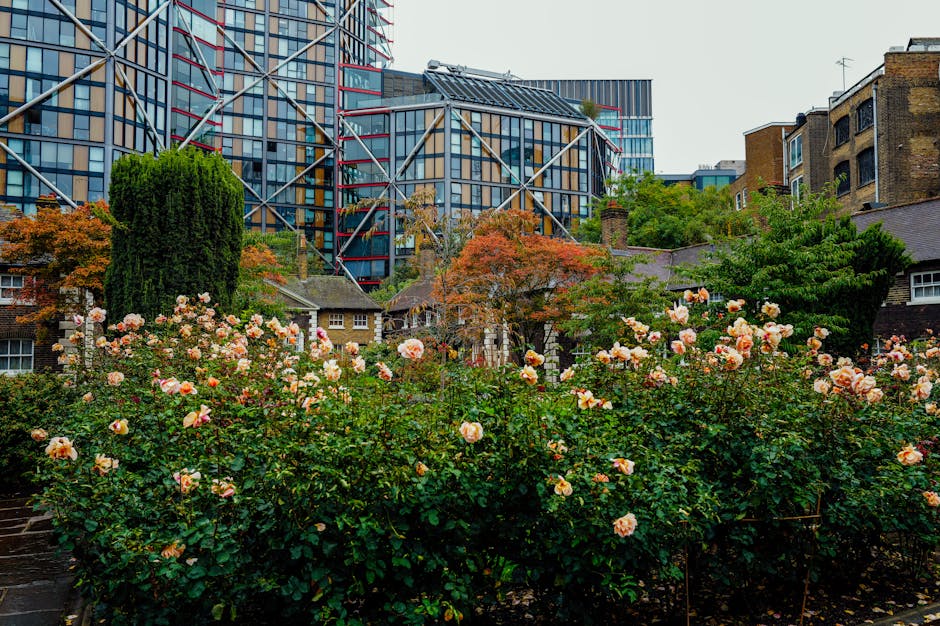
Top gardening services for flats on Praed Street Paddington
If you live in a flat near Praed Street, you already know the challenge: you want greenery, but you do not want the mess, guesswork, or weekly hassle that comes with keeping it alive in a small urban space. The best Top gardening services for flats on Praed Street Paddington are built around that reality. They are not about sprawling lawns or big suburban borders. They are about balcony planters, compact courtyard spaces, privacy screening, tidy seasonal maintenance, and making the most of limited light.
In a busy part of Paddington, a good service should feel calm and practical. Think less "grand garden overhaul" and more "this corner now works properly." Whether you need one-off tidy-up help, regular plant care, or a full balcony refresh, the right approach can make your flat feel noticeably more peaceful. And yes, a little less like a half-dead herb collection sitting by the window.
This guide explains what those services usually include, how to choose them, what to expect on pricing and standards, and how to avoid the common mistakes that catch people out. If you want to explore the broader range of options first, it helps to start with the services overview and then compare it with the practical details below.
Table of Contents
- Why Top gardening services for flats on Praed Street Paddington Matters
- How Top gardening services for flats on Praed Street Paddington Works
- Key Benefits and Practical Advantages
- Who This Is For and When It Makes Sense
- Step-by-Step Guidance
- Expert Tips for Better Results
- Common Mistakes to Avoid
- Tools, Resources and Recommendations
- Law, Compliance, Standards, or Best Practice
- Options, Methods, or Comparison Table
- Case Study or Real-World Example
- Practical Checklist
- Conclusion
- Frequently Asked Questions
Why Top gardening services for flats on Praed Street Paddington Matters
Flat gardening is different from regular garden care. That may sound obvious, but it matters more than people expect. A flat near Praed Street often comes with a balcony, a small terrace, a shared courtyard, or just a window ledge and a wishful thinking moment. You are usually dealing with more wind exposure, less root depth, trickier watering, and limited storage. One missed week in summer can be enough to turn healthy plants crispy. A classic London drama, really.
Specialist gardening services matter because they focus on constraints rather than ideals. The goal is not to create a magazine spread. It is to build something that works in real life, with real time pressure and real weather. In Paddington, that means a setup that can handle shade from surrounding buildings, occasional gusts between blocks, and the fact that many residents are simply not home all day to baby their planters.
There is also the practical side. In flat living, neatness counts. Spilled compost, overgrown foliage, blocked drains on balconies, and poorly drained pots can create frustration fast. The right service keeps things tidy, manageable, and neighbour-friendly. That can make a difference whether you are living in your flat long-term or trying to keep a rental presentable.
Expert summary: the best flat-garden service is the one that solves space, light, watering, access, and maintenance in one simple system - not the one that just brings in more plants.
If you want reassurance about who is behind the service, it is worth reviewing the company's about us page and the practical details in insurance and safety. Those pages tell you a lot about how seriously the provider treats the job.
How Top gardening services for flats on Praed Street Paddington Works
For flats, the process usually starts with a short assessment. A gardener or maintenance team will want to understand what kind of space you have: balcony, roof terrace, internal courtyard, entrance area, or interior planting. They will also want to know the light levels, access points, drainage, and whether the building has any rules about moving materials in and out. In a shared building, those small questions matter.
From there, the work usually falls into one of a few patterns:
- Design and setup for a new balcony or terrace planting scheme.
- Planting refresh if your current containers are tired, crowded, or badly placed.
- Ongoing care such as watering, pruning, feeding, and checking plant health.
- Seasonal tidy-up to reset the space in spring, summer, autumn, or winter.
- Problem-solving for shade, wind, pests, poor drainage, or patchy growth.
In practice, a good service should explain what is realistic. For example, if your balcony gets only two or three hours of sunlight, that is not a failure. It just means the plant list needs to be chosen intelligently. Ferns, heuchera, shade-tolerant herbs, compact evergreens, and some flowering annuals can still do well with the right care. It is less about forcing nature and more about working with the space you actually have.
Many residents also choose a maintenance schedule that matches their routine. That might be fortnightly in summer, monthly in winter, or a one-off cleanup before a move or an event. If budgeting is part of your decision, the pricing and quotes page is a sensible place to understand how estimates are usually structured.
Key Benefits and Practical Advantages
The benefits of professional gardening support for flats are broader than just appearance. Yes, a tidy balcony looks better. But the real value often shows up in small, daily ways.
- More usable space: clean, well-organised planting makes a flat feel larger and calmer.
- Healthier plants: better soil, drainage, feeding, and pruning mean less decline.
- Less stress: no more wondering whether the basil died because you watered too much or too little. Very relatable.
- Better privacy: carefully chosen screening plants can soften overlooked balconies.
- Neighbour-friendly upkeep: tidy edges, controlled growth, and clean surfaces matter in shared buildings.
- Seasonal flexibility: the space can be adjusted as weather and light change.
Another advantage is consistency. A lot of flat gardens go through the same cycle: enthusiasm, overbuying, then a slow slide into neglect. A structured service interrupts that cycle early. It keeps things practical. You see the space more, use it more, and enjoy it more. Simple as that.
There is also a sustainability angle. Reusing pots, choosing plants suited to the conditions, composting where possible, and avoiding unnecessary waste all reduce the churn. If that matters to you, the company's recycling and sustainability page is worth a look.
Who This Is For and When It Makes Sense
Not everyone with a flat needs full gardening support. Sometimes you just need a quick seasonal refresh. But this kind of service makes particular sense for people in a few situations.
- Busy professionals who want greenery but no maintenance headache.
- Tenants who need a neat, presentable balcony without making structural changes.
- Landlords and property managers looking to keep outdoor areas tidy and attractive.
- Older residents who enjoy plants but prefer help with lifting, pruning, or watering.
- People with shaded or awkward spaces that need specialist plant selection.
- Anyone preparing to sell or let who wants the space to feel cared for.
It also makes sense if your flat has a "nearly there" garden setup. You know the one: a few pots, one chair, maybe a climbing plant that looks promising for about three weeks. A professional can turn that into something coherent without overcomplicating it.
In central London, timing matters too. If you know you will be away for part of the year, or if your work hours are unpredictable, regular care can prevent a complete reset every spring. And honestly, once a few things go wrong, it snowballs quickly.
Step-by-Step Guidance
If you are choosing gardening support for a flat on Praed Street, a calm step-by-step approach will save you money and frustration. No need to rush it.
- Assess the space honestly. Measure the balcony or terrace, note light levels, and think about wind, privacy, drainage, and access.
- Decide what you want the space to do. Is it for relaxing, screening, growing herbs, or simply looking tidy?
- Check building rules. Some flats have restrictions on access times, drainage, or moving materials through communal areas.
- Choose the service type. Design, planting, one-off tidy-up, or ongoing maintenance. Do not pay for more than you need.
- Ask about plant suitability. A good provider should explain what thrives in shade, sun, or wind exposure.
- Discuss watering and care. Who waters? How often? What happens during holidays or hot spells?
- Confirm materials and waste handling. Compost, pots, replacement plants, and green waste should be discussed upfront.
- Set a realistic maintenance rhythm. If the space needs regular attention, plan it before the plants start struggling.
A useful rule of thumb: if a service cannot explain how it will handle your space in plain English, keep looking. Good gardening work should feel reassuring, not mysterious.
Expert Tips for Better Results
Here are the details that often make the biggest difference in flat gardening. These are the little things people tend to miss until later.
- Choose container size carefully. Bigger pots usually hold moisture better and reduce stress on roots.
- Mix structure with softness. A small evergreen or screening plant can anchor the space, while seasonal colour keeps it lively.
- Use drought-tolerant choices where possible. Flat balconies can dry out fast, especially in sun and wind.
- Watch drainage like a hawk. Standing water in pots is a common reason plants fail.
- Keep a simple watering routine. The best system is the one you will actually follow.
- Plan for winter. Many balcony displays look fine in July and then collapse by November if no one has thought ahead.
One small but useful habit: take a photo of the space before any work begins. It helps track progress, and it also makes it easier to spot what changed if a plant starts behaving badly later on. Not glamorous, but useful.
Another tip? Do not cram too much in. A balcony can start to feel cluttered very quickly. A few well-chosen pots often look smarter than a dozen mismatched ones. Less, but better. That usually wins.
Common Mistakes to Avoid
Flat gardening mistakes tend to be predictable, which is good news because they are also avoidable. The main issue is usually enthusiasm outpacing the space itself.
- Buying plants for looks alone. If a plant hates shade or wind, it will not matter how nice it looked in the shop.
- Ignoring weight. Roof terraces and balconies have load considerations, so heavy pots and waterlogged soil can be a problem.
- Overwatering. This is a big one. In small containers, roots can suffer quickly.
- Choosing the wrong maintenance plan. A one-off tidy-up is not the same as ongoing care.
- Skipping access checks. If materials are awkward to carry in, delivery and setup can become a headache.
- Forgetting about neighbours. Overhanging growth, trailing soil, and noisy work at the wrong time can create friction.
There is also a softer mistake: expecting the space to do too much. A compact flat garden can be beautiful, but it has limits. Accepting those limits usually leads to better design. Truth be told, that is where the charm often comes from.
Tools, Resources and Recommendations
For flat gardens, the tools and materials do not need to be fancy. They need to be reliable and suitable for small-space use.
- Lightweight pots and planters for easier movement and safer handling.
- Good-quality compost suited to containers, not just ordinary garden soil.
- Watering cans or compact irrigation tools that work in tight spaces.
- Securing materials where appropriate, especially on windy balconies.
- Pruners and snips for neat shaping and deadheading.
- Plant supports and ties for climbers and taller container plants.
Some people also benefit from a maintenance log, even if it is just a note on a phone: when plants were watered, fed, pruned, or repotted. It sounds a bit much at first, I know, but it saves guesswork later.
If you are comparing providers, it can help to review how they handle transparency, payments, and service expectations. The pages on payment and security and terms and conditions can give you a clearer picture of how the service is run. For booking enquiries, the contact us page is the straightforward next step.
Law, Compliance, Standards, or Best Practice
For flat gardening, the main compliance issues are usually practical rather than dramatic. You are not usually dealing with anything complicated, but good providers still work carefully and professionally.
Best practice typically includes:
- Safe handling of tools and materials in communal areas.
- Respect for building rules on access, deliveries, and working hours.
- Appropriate insurance where work involves property access or manual handling.
- Clear communication about what is included and what is not.
- Responsible waste handling for old plants, compost, and packaging.
If a service is working in a shared residential building, it should take a sensible approach to health and safety. That does not mean being stiff or bureaucratic. It just means not leaving tools in the hallway or blocking access while carrying awkward planters through a narrow entrance at the worst possible moment. Common sense matters.
You may also want to understand how the provider manages risk and accountability. A trustworthy company should be open about health and safety policy details, and if that matters to you, the about us information can help you judge their working style. For broader trust signals, their modern slavery statement and accessibility statement show whether they pay attention to company standards beyond the visible service.
Options, Methods, or Comparison Table
Different flat-garden services suit different needs. The table below keeps it simple.
| Service option | Best for | What it usually includes | Typical downside |
|---|---|---|---|
| One-off tidy-up | Messy balconies or overdue seasonal refreshes | Pruning, clearing, deadheading, basic reorganisation | Does not maintain the space long-term |
| Planting and design setup | New flats, renovations, or first-time balcony gardens | Container selection, planting plan, installation | Needs follow-up care to stay looking good |
| Regular maintenance | Busy residents and rental properties | Watering, feeding, pruning, checks for disease or decline | Higher ongoing cost |
| Seasonal rotation | People who want colour through the year | Replacing tired plants and adjusting the scheme by season | Can feel repetitive without a good plan |
| Problem-solving visit | Shade, wind, drainage, or unhappy plants | Diagnosis, recommendations, targeted fixes | May require extra work later |
The "best" option depends on what is actually causing the issue. If the problem is plant selection, regular watering will not fix it. If the problem is access or time, a design-only service probably is not enough. Matching the service to the problem is half the battle.
Case Study or Real-World Example
Imagine a first-floor flat near Praed Street with a narrow balcony that faces partial shade for most of the day. The resident wants privacy, a bit of colour, and something that does not collapse every time there is a dry spell. They have bought a few plants before, but the result is always patchy: one side dries out, another looks crowded, and the whole thing feels unfinished.
A practical gardening service would start by mapping light and wind exposure, then choose compact containers with proper drainage. The planting mix might include a small evergreen structure plant, a few shade-tolerant flowering options, and one or two herbs placed where they get the most light. The setup would be kept simple enough to water properly without constant effort. Maybe a trellis for softness, maybe not. Depends on the railings and the building rules.
After the first visit, the balcony would already feel more intentional. Not larger, obviously, but more usable. The resident would have a place to sit without staring at a random jumble of struggling pots. A month later, with a simple care routine, the plants would still be alive. Which, in flat gardening, is not a small victory.
That is the real value of good service: not just pretty results on day one, but a setup that still makes sense after the novelty wears off.
Practical Checklist
Use this checklist before you book.
- Have I measured the space and checked access?
- Do I know how much sun, shade, and wind the area gets?
- Is the goal decoration, privacy, herbs, or easy upkeep?
- Have I confirmed any building restrictions or access rules?
- Do I understand whether I need one-off work or ongoing maintenance?
- Have I asked how the provider handles waste, compost, and old plants?
- Do I know who is responsible for watering between visits?
- Have I checked pricing, payment terms, and what is included?
- Does the provider give clear information about safety and insurance?
- Have I thought about seasonal changes, especially summer heat and winter decline?
If you can tick most of those off, you are already ahead of the game. If not, no problem. Better to sort it now than after the plants have gone limp and everyone is pretending not to notice.
Get a free quote today and see how much you can save.
Conclusion
Top gardening services for flats on Praed Street Paddington should do one thing very well: make small urban green spaces easier to live with. The right provider understands limited light, compact layouts, shared building realities, and the need for low-fuss maintenance. That is what turns a balcony or terrace from a hopeful idea into something you actually use.
Whether you want a fast tidy-up, a clever planting refresh, or regular care through the seasons, the best result is always the same: a space that feels calmer, neater, and more like home. Start with the practical questions, choose service based on need rather than hype, and keep the setup simple enough to sustain. That is where the magic is, honestly.
For a closer look at the company background and service journey, you may also find the services overview and about us pages useful. If you are ready to talk things through, the next sensible step is to reach out through the contact us page.
Sometimes the best upgrade is not dramatic. It is just a space that finally feels looked after. That quiet little difference can go a long way.
Frequently Asked Questions
What do gardening services for flats usually include?
They often include balcony planting, container maintenance, pruning, watering support, seasonal refreshes, and tidy-up work. Some providers also help with design, plant selection, and problem-solving for shade or wind.
Can a small balcony really be turned into a useful garden?
Yes, absolutely. Small spaces often work best when the planting is focused and purposeful. A few well-chosen containers, the right plant mix, and a clear layout can make even a compact balcony feel much more inviting.
How often does a flat garden need maintenance?
It depends on the plants, the season, and exposure. In summer, container plants may need far more attention than in winter. Many people choose fortnightly or monthly care, but some spaces need more frequent watering support.
What if my flat has very little sunlight?
That is common in London, and it is not a deal-breaker. Shade-tolerant plants, careful container placement, and realistic expectations can still produce a good result. The key is choosing plants that suit the conditions rather than fighting them.
Are flat gardening services suitable for rental properties?
Yes. They can be a smart choice for landlords, letting agents, and tenants who want the outdoor area to stay tidy and presentable. For rentals, simple and maintainable planting tends to work best.
How do I know which service option I need?
Start by asking what the main problem is. If the space is messy, a tidy-up may be enough. If it is bare or badly planned, design and planting may be the answer. If you want it to stay healthy long-term, regular maintenance is usually the best fit.
Do gardening services bring their own tools and materials?
Most do, but it is worth confirming. Some services include plants, compost, and pots, while others work with what you already have. Clear agreement before the visit saves confusion later.
What should I ask before booking a gardener for my flat?
Ask about experience with balconies or terraces, insurance, safety, pricing, waste removal, watering plans, and any building access requirements. A good provider should answer without making things sound complicated.
Is it better to do a one-off visit or regular maintenance?
If you only need a reset or seasonal tidy-up, a one-off visit can be enough. If your plants need ongoing care or you are away often, regular maintenance usually gives better long-term results.
Can gardening services help with privacy screening?
Yes, within the limits of the space and building rules. The right combination of tall containers, climbers, and structured planting can soften sightlines and make a balcony feel more private.
How do I prepare my flat balcony before the gardener arrives?
Clear access, move fragile items, and note any problem areas such as pooling water, unstable pots, or broken fixtures. It also helps to think about your goals in advance so the work can be focused from the start.
What makes a gardening service trustworthy?
Clear communication, realistic advice, sensible safety practices, and transparent pricing all help. It also matters whether the company explains its approach to policies, insurance, payments, and sustainability in a straightforward way.